Monday Q+A

Do Photographers Still Need Reps?

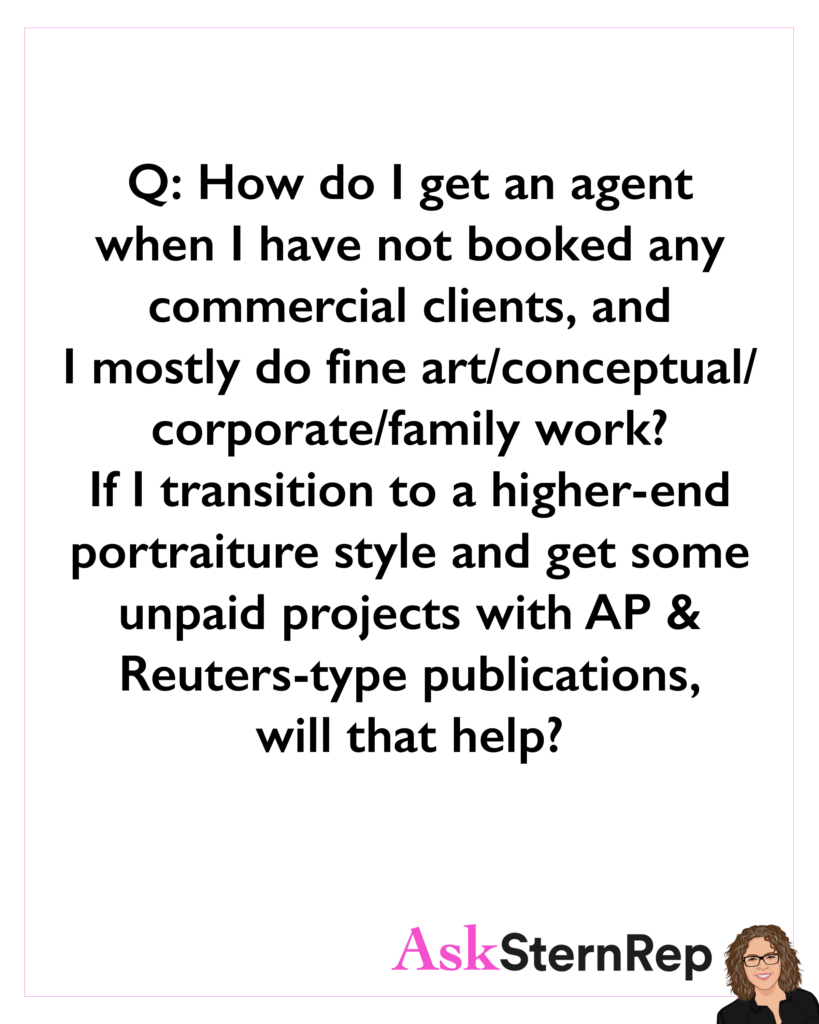
Do photographers need to be repped anymore?

Photographers, directors, CGI, AI, etc, do not NEED to be repped the way they used to. Years ago, we were the primary means of reaching clients, whereas now clients have a direct path to you. The decision-making question now is: what will serve you the best to secure the most jobs, maximize potential fees, have overall support and marketing outreach on your own or with an agent partner? You can now weigh the odds and see where you stand in your situation.

What to Do If You Failed to Deliver on a Client Project

What steps should you take if you failed to fully deliver on a client project, and how do you bounce back?

 I assume an issue arose, and communication had not relayed the proper message. What caused this? How could you have handled this differently? The real fix to this situation is understanding and learning from the experience. React to this client in the manner you wish you had done initially, address this with expertise and professional know-how. Any time we mess up, it can work in your favor by shedding light on an area of our business that needs our attention.

Key Elements to Include in Every Photography Bid

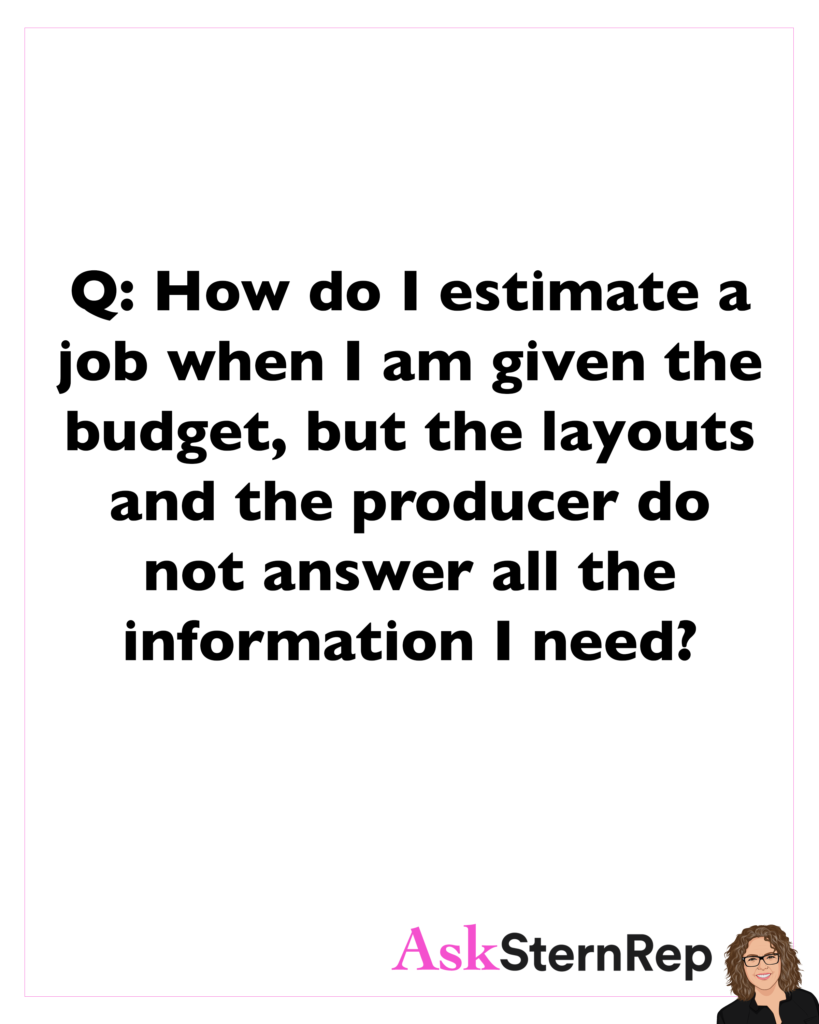
What are the most important things to include in a bid?

Some MUST ADDS to every bid: 

1. Specifics of what the bid is based on (image count, variations, amount, and schedule of days, the deliverables, etc.)

2. Usage licensing terms and copyright rights 

3. Gear charges even when you own your equipment

4. Timelines and deadlines to clear up how many hours per day are included (pre-overtime), and when and how they will receive the final images

5. Anything you are expecting them to cover or supply

6. Advance invoice amount and date requirements

What Is the Importance of a One-Sheet Promo in Client Emails?

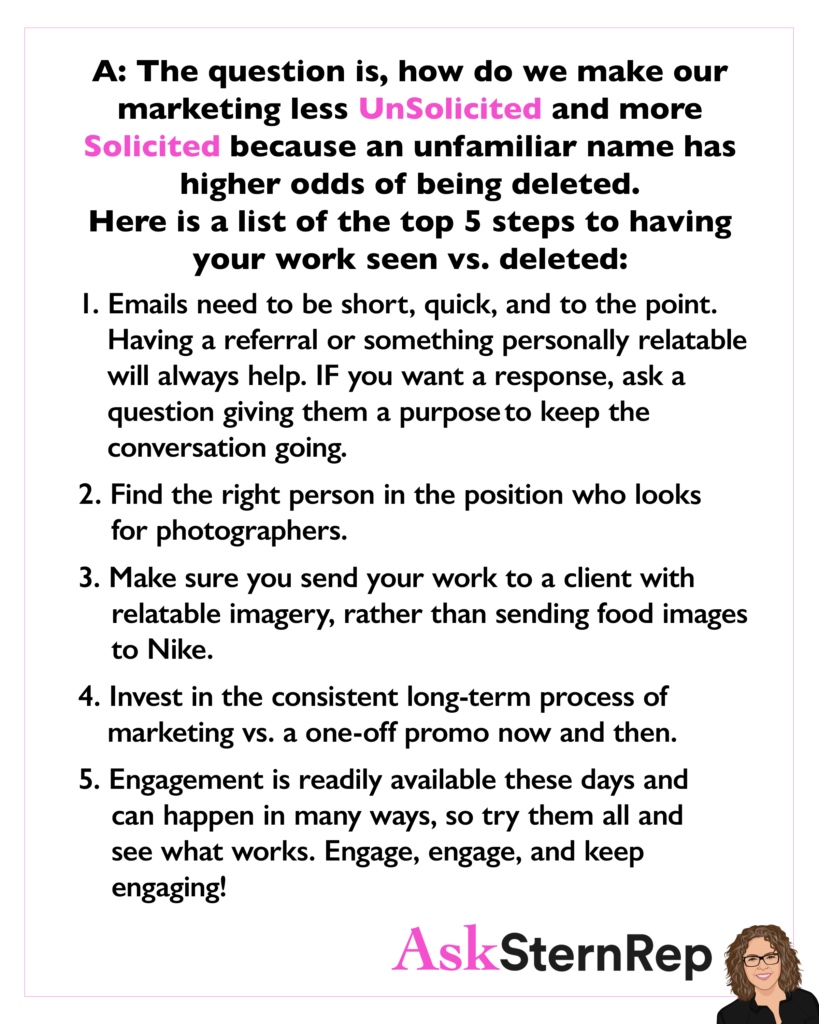
What is the importance of a “one-sheet” attachment promo in an email sent to a potential client? How many images? And should this promo include any descriptive text about the images, background/bio, pitch, etc., or should all of the text be in the body of the email?

When saying hello in an email, it can be good to have a fast visual sampling that looks like it belongs in that email. The key to a one-sheet promo is that it’s a quick, relatable read of a small number of images only, and does not need that extra step of being clicked to open. 

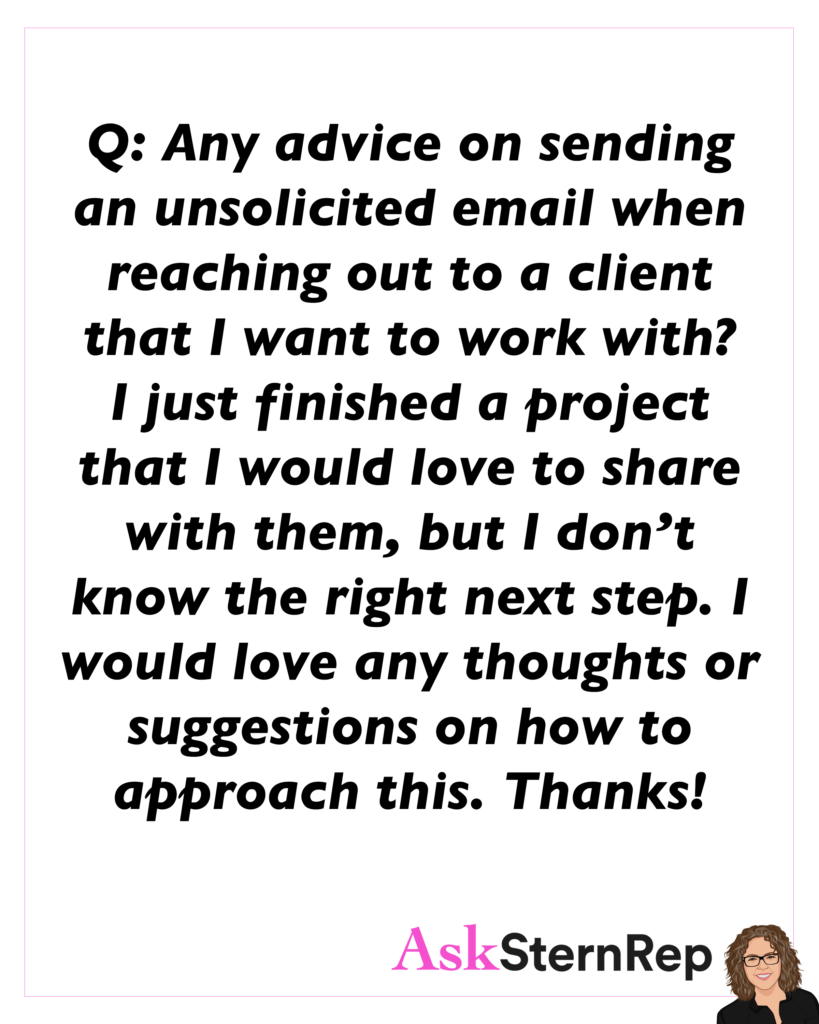
Cold Emailing Clients: Should You Send Image Attachments or Just Links?

When sending cold emails, is it better to include attached imagery, only links, or both? 

I suspect (and have no actual proof), but my inclination is usually to send a link rather than images via email. I may be one of the few agents in the business to say this. Still, I suspect emailing our larger corporate clients’ image attachments will attract more firewall-stopping activity, preventing them from receiving our emails. What is your experience with this?

Are Email Promos Still Worth the Investment?

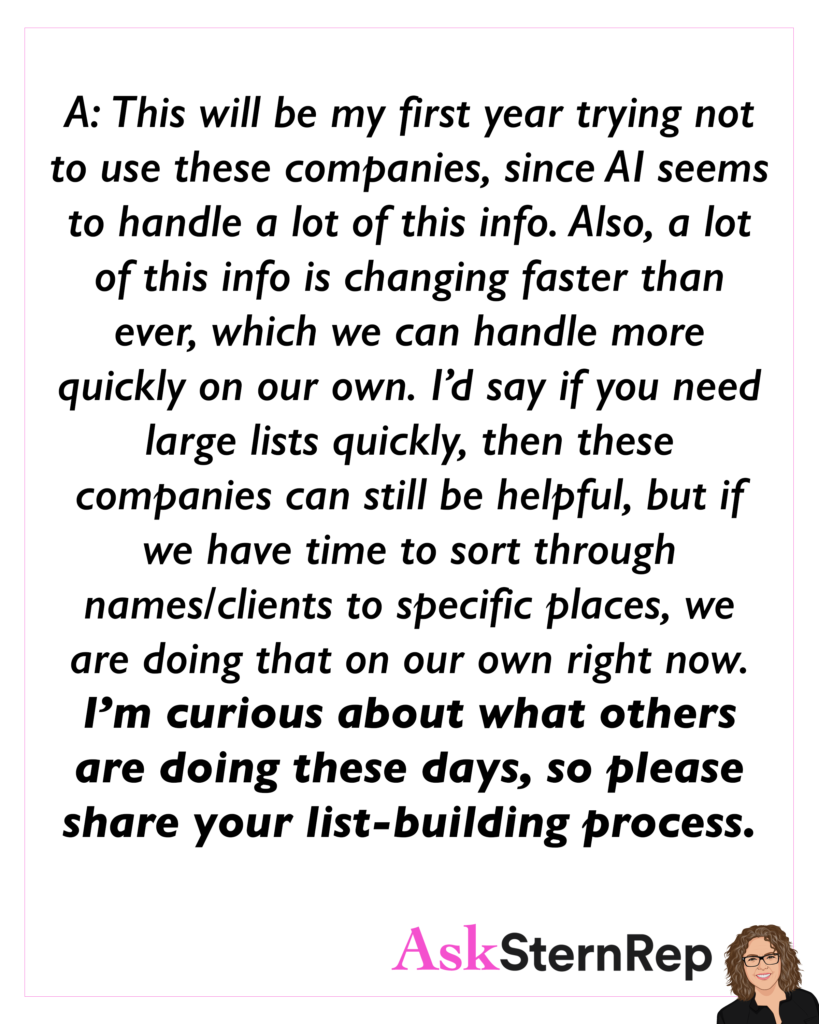
Are email promos worth the financial investment these days?

Yes, I still think we should be sending mass emails because it’s one marketing effort we can control. It’s worth the price.

How Often Should You Update Your Photography Portfolio Website

How often should you update your site with new work? Quarterly, monthly, or every time you have a shoot that’s portfolio worthy?

A big reveal could attract some buzz, but in general, I don’t see the purpose of waiting, as it’s hard to say how many potential views/jobs we miss out on when we don’t post our work immediately.

How to Turn Email Promo Clicks into Clients

What do we do with our email promo “clicked” lists?

To know who CLICKS from our email promo to our website supplies valuable feedback shaping our marketing direction. Analyzing this relevant resource can be what you need to know. 

  1. Put them on a hotlist and use every method to follow up with them, including following and engaging on IG. 
  2. Look up all the others at that agency or company to get them on your lists. If your work is applicable to one person at that place, it’s likely true for the other creatives and producers as well. 
  3. If one of your top dream list clients didn’t have any clicks, you know you have some changes to make. 
  4. Compare the marketplace segments clicking percentages to see which category of clients your work is attracting vs. which types are not being drawn in. 
  5. When you get an unusual amount of clicks or lack of clicks from one email, use that to analyze what was different, like your subject line, the time or the day of the week, working changes or design. 

What to Do When Another Photographer Charges Too Little

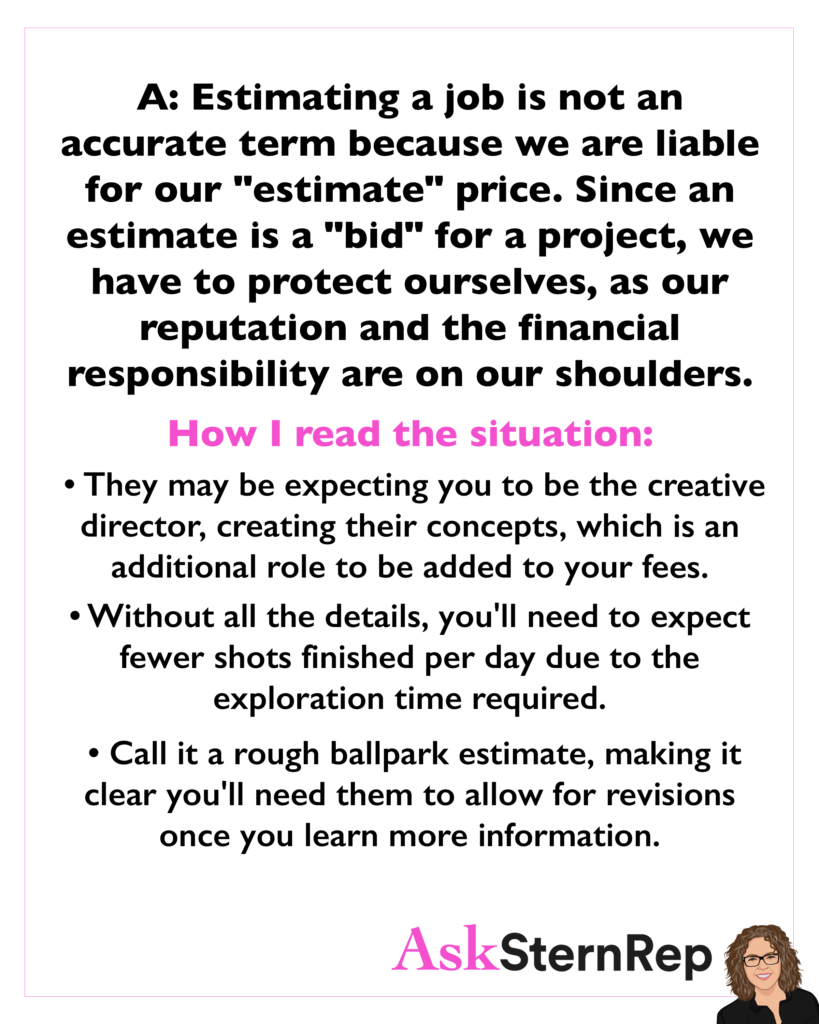
I found a photographer in the same industry who has their rate listed on their website, and it’s shockingly low for the industry standard. While I know there’s no fixed rate among photographers, this person charges $1,200 all-inclusive, while my all-inclusive rate is $4,200, for a similar amount of deliverables. This person is substantially bringing down the industry, and they are not new; they’ve been around for years. Is there a way to inform this person that their fee is too low and is hurting the rest of us?

I wouldn’t give them feedback, as they know what they are doing. Every business has its own operational competitive strategy to differentiate itself from its competitors. We each have to find our ‘special sauce’ to bring in clients who need what we offer. What are you the best at? Use that to shape your business and attract specific clients who will pay for your specialty.

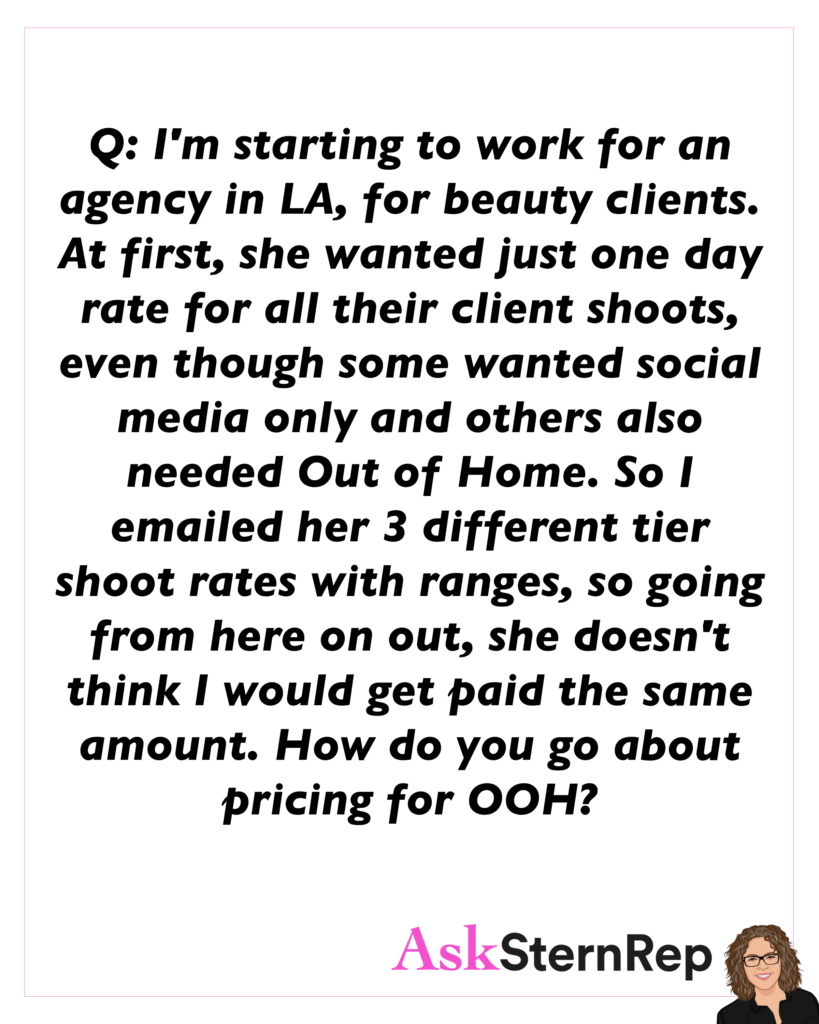
Do Clients Expect Negotiation? How to Read the Room and Keep the Conversation Alive

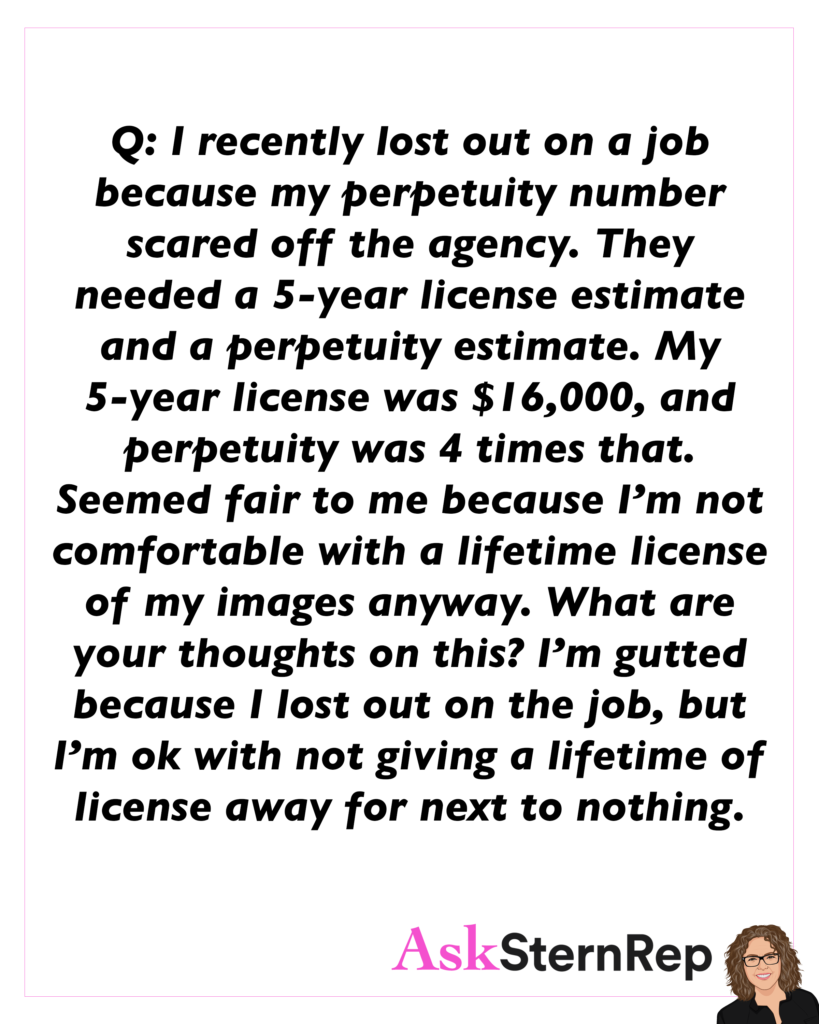
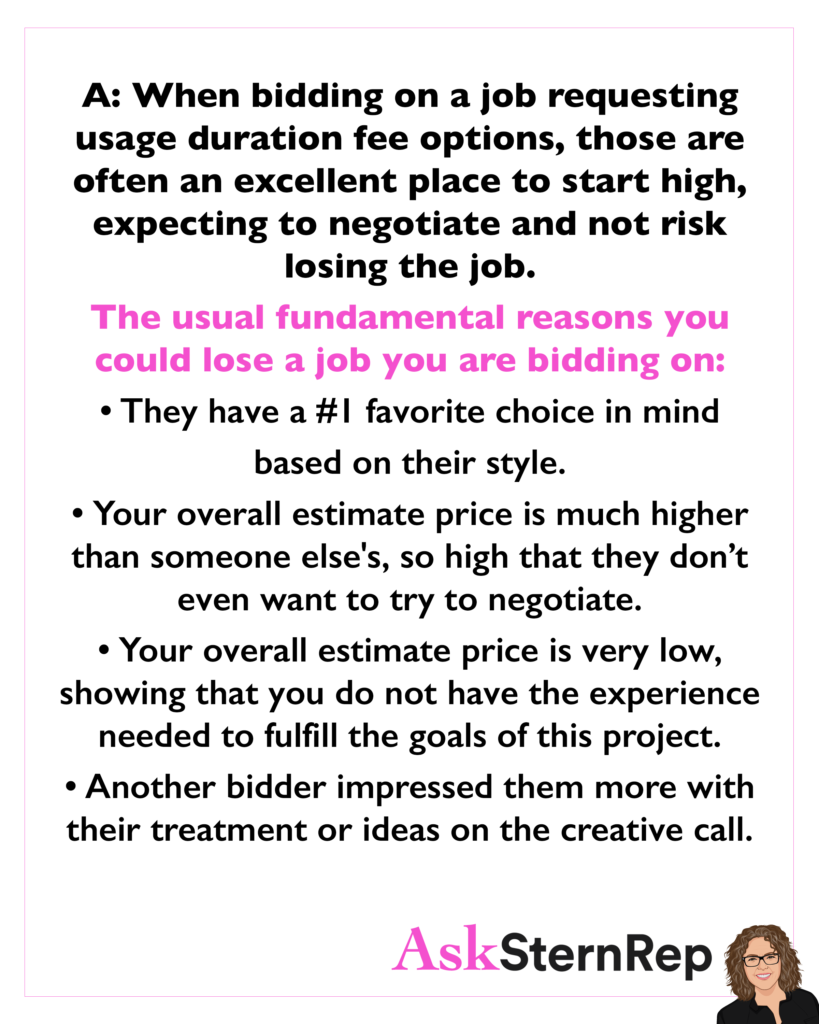
Do you always expect clients to negotiate? Or do they just walk away sometimes if the price is automatically too high?

 Unfortunately, clients walk away for so many reasons beyond our control. I like to feel out the situation to hear the temperature of their response before fully committing to a price. Odds are more in our favor if we can create a human connection off the bat, helping us open the doors of communication. The conversation can include the openness to flexibility by discussing a price range before we officially submit an estimate. If clients know we are willing to budge, they may be more apt to negotiate.