Clients

Mural Walls Are Our Responsibility

Recognizable mural walls are our responsibility to be legally released + paid for before handing over the images to the client. If not, we are putting our clients in danger of significant legal issues.

Before the job begins there’s so many production details that must be your responsibility to get cleared. The location permits, the location fee, and talent releases. Just like your usage is an artist being paid for what you do, the same goes for mural artistry. If we hand over images to our clients and they use it and we did not get that covered, signed off, paid for by the mural artist, we put them at risk of having to deal with a lot of legal problems, and it won’t look good on you. Find out who the mural artists are. I guess a good question is how do we find out who the mural artist is. Usually it will have their name and maybe instagram. It’s our responsibility to find it. 

Inside View: Where is the Industry Headed?

ASR: How do you see the business changing right now and where do you see it going?

Anonymous NY Art Producer: Budgets are getting smaller, and clients are becoming more savvy with building campaign landscapes. They don’t want just stills, they want content. In addition to static assets that will live in print and OOH, they’re also interested in GIFs and short form content. It’s truly the middle ground between static and broadcast production, everyone across disciplines needs to consider shooting for vertical. Clients are no longer wanting traditional assets like a commercial spot and campaign stills – they want everything.

ASR: How are photographers handling this differently now to make this happen successfully?

Anonymous NY Art Producer: Good question! I would say this is where a photographer has the leg up edge-wise. Tackling this successfully requires a smaller footprint than what’s been done before to solve creative ask. Since photographers have normally worked with a fraction of a traditional broadcast budget, they’re already accustomed to creating with smaller crews and resources. Don’t think shooting motion equates to taking on the same resources as a broadcast production; be tactical, nimble, and resourceful. There are young emerging artists who have proven to achieve more with less, that’s the way of modern production now, and that’s what’s driving client expectations. 

Cultivate, Develop, Flourish.

Cultivate, develop, flourish. 

Show clients how your maturity will work for them, and not against them. Keep up with the times. 

Established photographers have that challenge because a lot of their work might look like yesterday. We have to keep it fresh and innovative. Photographers are hired by clients to be the innovative thinkers that you are, that inspired you to get into this business. The look of yesterday is not what they want. They want tomorrow’s look. I’d love to know how photographers out there, after you’ve been doing this awhile, keep going beyond the trend of today, and inspire yourself to try new things and show clients that’s who you’re going to be. How do you do that? I’d love to hear.

$25k a Day

I had a client who wanted to be on the pulse of someone new. We paid that someone–who had never shot an ad campaign–$25K a day. 

-Guest Post: Anonymous Art Producer

There are definitely many changes in our industry. One significant change is that someone who isn’t yet well-known now has the opportunity to get their images seen, thanks to social media—something we didn’t have before. Another change is that budgets are generally decreasing, but that’s not always the case. You can still get paid well, so sometimes it’s important to be a bit more creative and make the most of the opportunities available. That’s what we need to focus on.

Testing for a Client


Q:

What are your thoughts on testing for a client, at the client’s request. Should you ask for your costs to be covered?

A:

Testing for a client is not an industry standard request. I’m reluctant to encourage you to test for a client because it will most likely mean you won’t have the proper budget to do it right, and the image quality might suffer. If the quality of your work is at risk then I would say it’s not worth it.

Follow Up Immediately

In any business interaction, remember to follow up immediately so you are believed and taken seriously.

When I meet someone for the first time on the phone or in any other setting, I want to know that they will follow up quickly and express that the meeting was important to them and that it went well. Everything they said should be followed up on promptly—ideally, right away. This quick follow-up makes the interaction feel real. Even if we have a great meeting, we might wonder if it was as good as it seemed or if we should hire this person. How they follow up acts like a test. So, do it as soon as you can.

Use of Images for Self Promotion


Q:

I’m in the middle of negotiating a contract for a job I really want. The contract gives me no right to use the images for self-promotion, and effectively states that I could be sued for doing so. 

Should I take the money and work on building the relationship, or should I fight for my rights at the risk of losing the gig?

A:

I would talk to your contact at the company, and gauge their flexibility. Explain why you would need to show this work in order to get more work. 


Hopefully they’ll be receptive to your concerns + work with you on tners that are fair to all parties. At least try your best to get what is fair. 

Our industry also benefits when we stand together on issues like this. I understand why you wouldn’t want to walk away from the job because of this, but asking for what you want, in a respectful way, shouldn’t lose you the job.

Brand/Agency Location


Q:

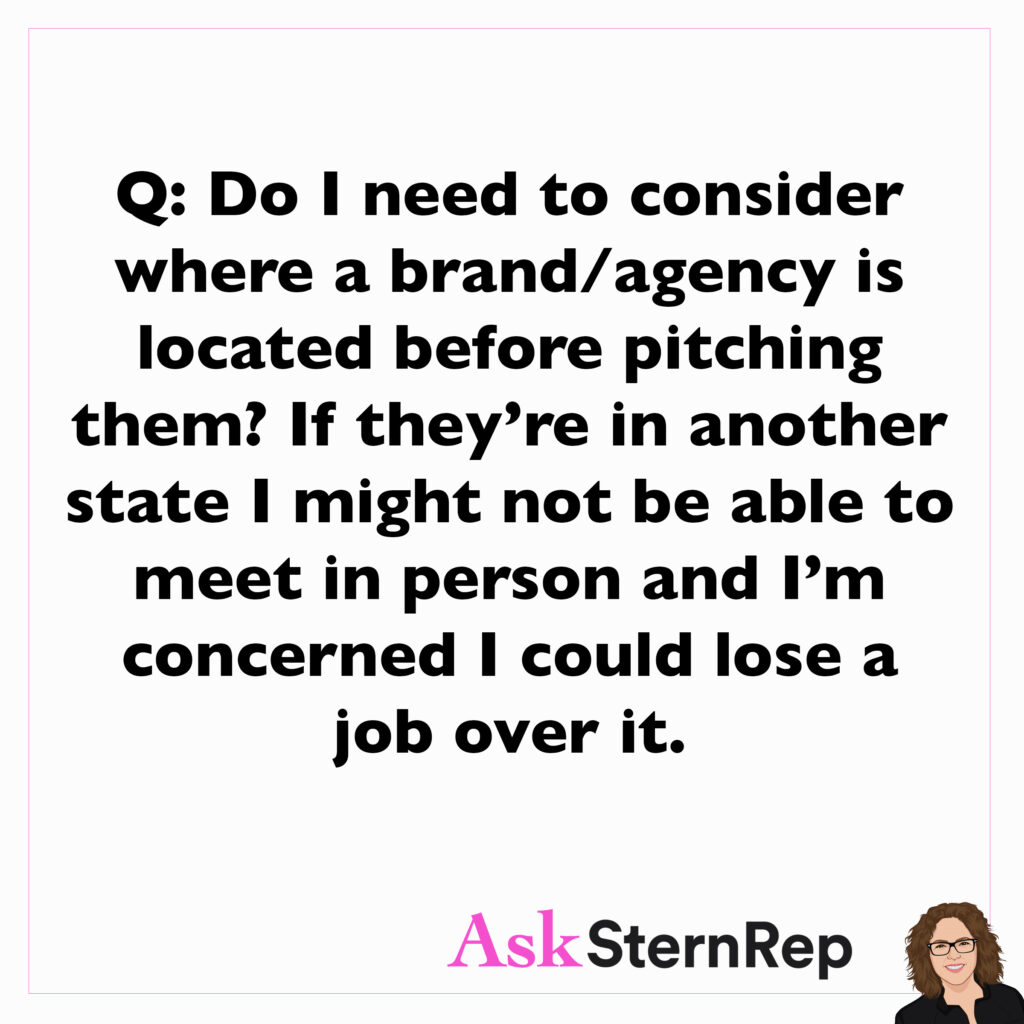
Do I need to consider where a brand/agency is located before pitching them? If they’re in another state I might not be able to meet in person and I’m concerned I could lose a job over it.

A:

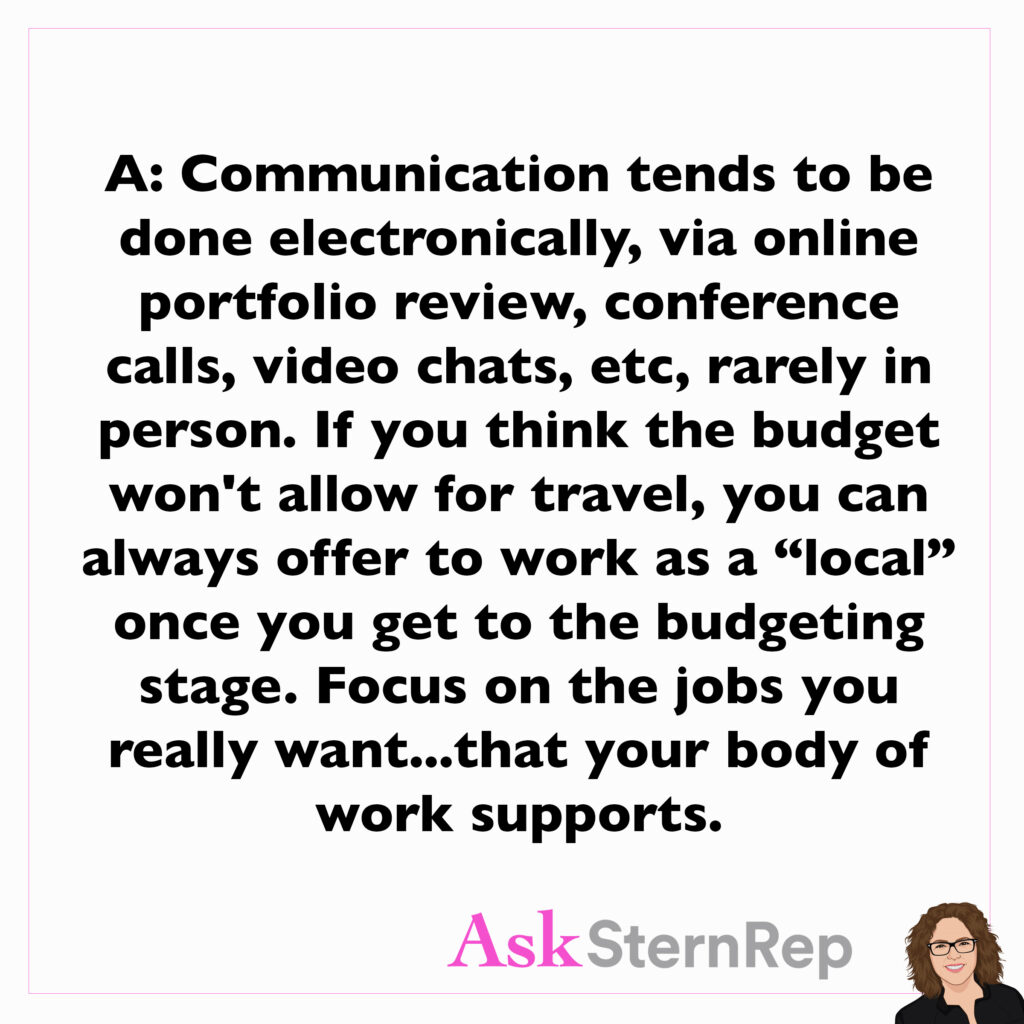
Communication tends to be done electronically, via online portfolio review, conference calls, video chats, etc, rarely in person. If you think the budget won’t allow for travel, you can always offer to work as a “local” once you get to the budgeting stage. Focus on the jobs you really want… that your body of work supports.

Drafting a Contract for a Client


Q:

I need to draft a contract for a client. Do you have any recommendations about making sure I’m using the correct language so it doesn’t bite me in the end?

A:

APA is a great resource for contracts and estimate forms. ASMP has advice about legal language too. APhotoEditor has great contributors, including an executive producer of Wonderful Machine, and they give sample estimates. Also refer to the ASR posts about what to include in your bid under the “job description.”

Do Not Send Promos to a Client’s Personal Email

DO NOT send any promos to a client’s personal email, unless they have given you permission. Doing this crosses a professional boundary and could affect potential future work. 

If you’re emailing a client and they have a professional, official work email, do not use their personal email if you have access to that. Don’t do it. It’s rude and you could really piss someone off. Use the work email if you have one. It draws a line that we shouldn’t assume we can cross. Some people might not get angry about it, but a lot will, so be really careful about the personal and professional email. Keep it as professional as you can if that’s your purpose and relationship with them.